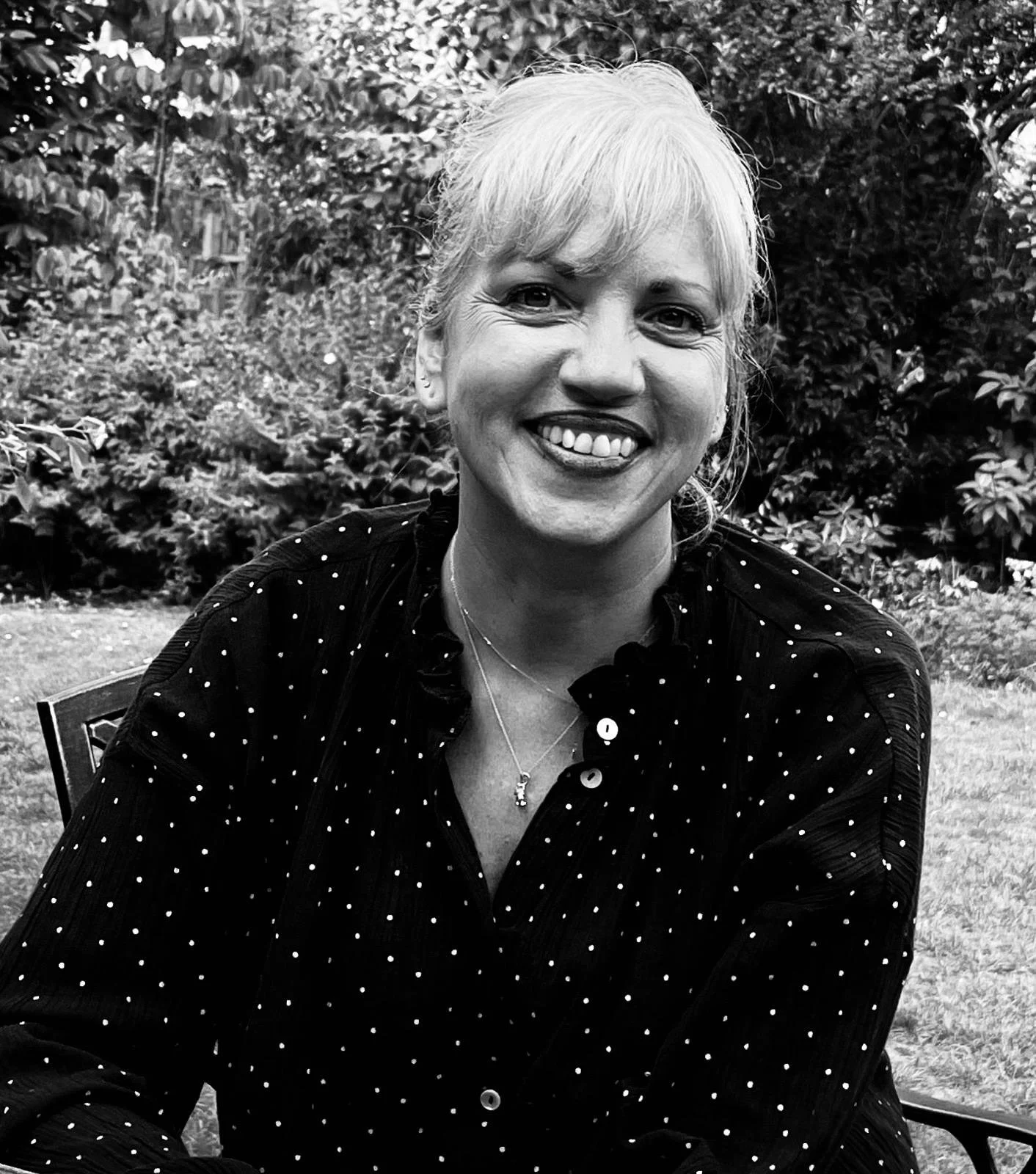
Michal Shavit
Michal Shavit is Deputy Director of Oxford Process, bringing more than twenty-five years of experience working at the intersection of international affairs, ideas, culture and public engagement. She has worked with some of the world’s most influential writers and thinkers, helping to develop and communicate original ideas and stories that have shaped public conversation and reached large audiences around the world.
At Oxford Process, Michal’s work focuses on conflict prevention and resolution, and particularly on the role of narrative in shaping conflict, political choices and the possibilities for peace. She is interested in how entrenched narratives about identity, security and the use of force can be challenged and reframed, and in how public and political dialogue can move beyond militarised approaches towards prevention, mediation, negotiation and other forms of peaceful conflict resolution.
Michal studied Modern History at Balliol College, Oxford, and holds a postgraduate degree in the Theory and History of International Relations from the London School of Economics, where she specialised in the Middle East.